


The Best Brushes and Tools for Acrylic Figure Painting – And How to Use Them
Card 2 of 52: Acrylic Figure Painting For Beginners
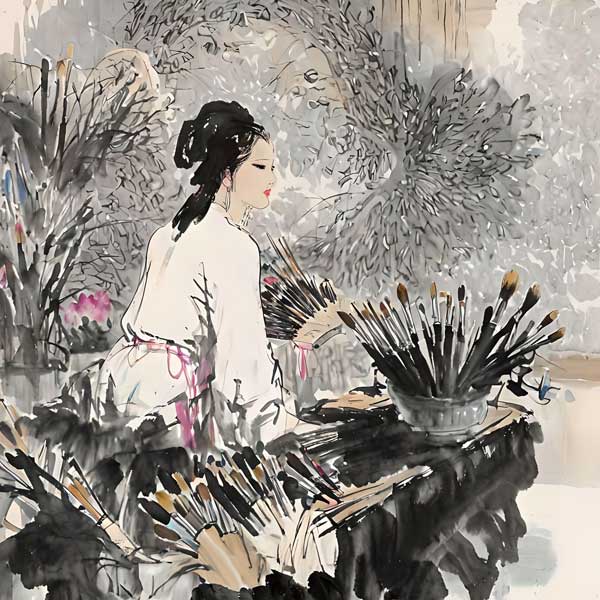
Card 2 of 52: Choosing the Right Brushes & Tools
Card Deck: Acrylic Figure Painting For Beginners
Below is the step-by-step guide for card 2 of the Acrylic Figure Painting For Beginners: A Card Deck Guide.
With card 1 (Choosing The Right Acrylics For Figure Painting) you discovered how to choose the right acrylic paints. You should now be the proud owner of a set of acrylics. Bravo! Most people never take the first step, so give yourself a pat on the back. You’re ready to bring figures to life on canvas. That’s a big deal!
But there’s something missing… the right brushes and tools!
Selecting the right brushes for figure painting is like picking the perfect yoga mat and bovine buddy—it’s crucial for comfort, control, and achieving those smooth movements (or, in our case, strokes).
Let’s dive into the best brushes and tools for figure painting, and I’ll guide you on how to use them effectively.
Brush Types: What’s in Your Toolkit?
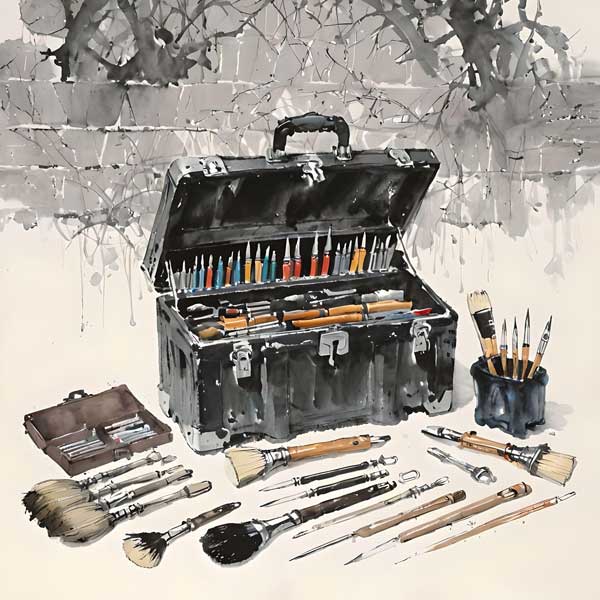
Brushes come in all shapes and sizes, and each has its unique purpose in figure painting.
For most acrylic figure painting, you’ll want to use a variety of brushes that allow you to cover large areas, handle fine details, and create smooth transitions.
Here are the essential types of brushes and how they’re used in figure painting:
You’ll Need These 5 Brushes
1. Round Brush
- Description: A round brush has a rounded, pointed tip and is versatile, making it ideal for both fine detail and bold strokes.
- Use in Figure Painting: The round brush is your go-to for sketching the figure, outlining features, and creating controlled, precise lines. Whether you’re defining facial features or the folds of clothing, a round brush offers great flexibility.
- Search for: round brush for acrylic painting on Amazon.
- Tip: Use a smaller round brush for facial details and a larger one for broader strokes, like outlining the form of the body.
2. Flat Brush
- Description: Flat brushes have a square or rectangular shape with long bristles. They’re excellent for covering large areas with broad, sweeping strokes.
- Use in Figure Painting: Flat brushes are perfect for blocking in large sections of the figure, like the torso, limbs, or background. They also help you define planes of light and shadow, which is crucial for giving your figure form.
- Search for: flat brush for acrylic painting on Amazon.
- Tip: Use the edge of the flat brush to create sharp lines, like the crisp edge of a shoulder or the bottom of a foot.
3. Filbert Brush
- Description: The filbert brush has a flat, oval shape, combining the broad coverage of a flat brush with the soft edges of a round brush.
- Use in Figure Painting: The filbert brush is ideal for blending skin tones and creating smooth transitions between highlights and shadows. Its rounded edges make it perfect for softening features and creating gentle curves, like the contours of a face or muscles.
- Search for: filbert brush for acrylic painting on Amazon.
- Tip: For figure painting, use a filbert brush to blend colors on the figure’s body, such as transitioning from light to dark on arms, legs, or facial features.
4. Detail Brush (Liner Brush)
- Description: This brush has long, thin bristles and is specifically designed for fine details.
- Use in Figure Painting: Perfect for those tiny, delicate lines—think eyelashes, wrinkles, or the folds of fabric. The detail brush will help you bring precision to your painting without losing control over those small yet important aspects of the figure.
- Search for: detail liner brush for acrylic painting on Amazon.
- Tip: Dip the brush into slightly thinned paint to create smooth, uninterrupted lines.
5. Fan Brush
- Description: The fan brush has a spread-out shape that looks like, well, a fan! It’s typically used for blending and creating texture.
- Use in Figure Painting: Although more common in landscapes, fan brushes can be great for blending soft areas of skin, especially in larger figures, or for creating textured effects like hair or fabric.
- Search for: fan brush for acrylic painting on Amazon.
- Tip: Use gentle strokes with a fan brush to soften transitions between colors or to add light texture.
How to Use Your Brushes Like a Pro

Now that you’ve got your essential brushes, let’s talk about how to actually use them effectively in figure painting. Brush control is everything when it comes to getting those figures to look dynamic, expressive, and—most importantly—human.
1. Sketch with Confidence
- Tool: Round Brush (Medium to Small)
- How to Use: When starting your figure painting, use a medium-sized round brush to sketch out the figure. Don’t worry about getting it perfect at this stage—use loose, gestural strokes to capture the essence of the pose. Acrylics dry quickly, so sketch with thin layers that you can paint over later.
- Tip: Keep the paint slightly watered down to allow for smoother lines.
2. Block in the Form
- Tool: Flat Brush
- How to Use: Once your sketch is down, use a larger flat brush to block in the basic shapes and colors of the figure. This is where you start defining the figure’s structure, playing with light and shadow, and adding base colors. At this stage, don’t worry about blending; just focus on getting your colors in place.
- Tip: Use the flat brush on its edge for tighter areas, like the sides of the face or arms.
3. Blend Like a Master
- Tool: Filbert Brush
- How to Use: The filbert brush is your best friend when it comes to blending skin tones and softening edges. For figure painting, achieving a natural transition between highlights and shadows is key, especially on areas like cheeks, shoulders, or muscles. Load your filbert with two colors (light and dark) and softly blend them together to create smooth transitions.
- Tip: Use gentle, circular motions for blending, and keep the brush slightly damp to help the colors flow into each other.
4. Add the Fine Details
- Tool: Detail Liner Brush
- How to Use: Once your figure is taking shape, it’s time to bring in the detail brush. This is where you refine the small details that bring your figure to life. Think of eyelashes, tiny wrinkles, or the subtle lines in the hands and feet. Keep your paint slightly thinned to ensure your lines remain sharp.
- Tip: Use quick, confident strokes for detailing, and try not to overwork the fine lines—let them flow naturally.
5. Create Soft Textures
- Tool: Fan Brush
- How to Use: While fan brushes are mostly used for landscapes, they can be a great tool for figure painting, especially when adding texture to hair, clothing, or background elements. For example, use a fan brush to lightly stipple the surface of the skin, giving it a soft texture, or to create wisps of hair.
- Tip: Dab the fan brush lightly on the canvas, and don’t overload it with paint to avoid streaks.
Other Essential Tools for Figure Painting
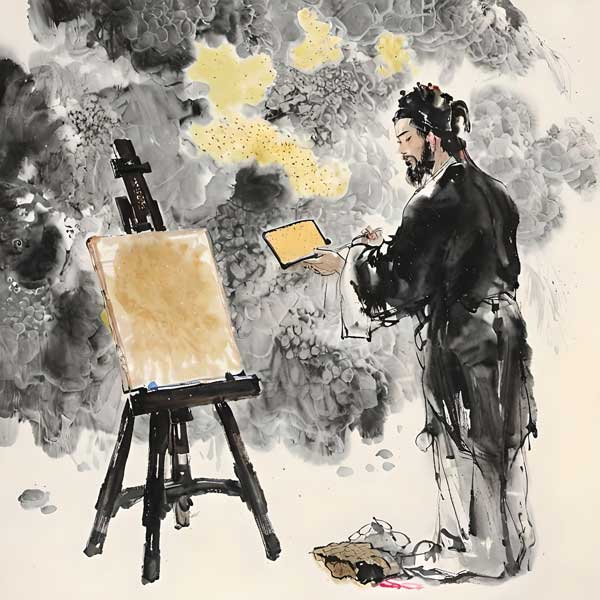
Beyond brushes, there are a few other tools that will enhance your figure painting process.
Here are some must-haves:
1. Palette Knife
- Use: Palette knives aren’t just for mixing paint—they can also be used to apply thick layers of paint directly onto the canvas, adding texture and depth to your figures.
- Search for: palette knife for acrylic painting on Amazon.
- Tip: For impasto-style figures, use a palette knife to apply bold strokes of color, especially for clothing or abstract backgrounds.
2. Sponge
- Use: Sponges can be used to create soft textures, particularly in skin or backgrounds. A lightly damp sponge can help blend colors seamlessly or create interesting textures in hair or fabric.
- Search for: sponges for acrylic painting on Amazon.
- Tip: Use a sponge for light dabbing to soften hard lines or blend larger areas of skin.
3. Rigger Brush
- Use: A rigger brush is great for long, continuous lines, like strands of hair or fabric details. It has long bristles that hold more paint, allowing for fluid, uninterrupted strokes.
- Search for: rigger brush for acrylic painting on Amazon.
- Tip: Use a rigger brush to create flowing, dynamic lines that add movement to your figure painting.
How to Care for Your Brushes
To keep your brushes in great condition, follow these simple tips:
- Clean promptly: Acrylics dry fast, so clean your brushes immediately after use with warm water and a mild soap.
- Store properly: Lay brushes flat or hang them with the bristles pointing downward to prevent damage.
- Avoid leaving them in water: Soaking brushes for too long can cause the bristles to splay and weaken the glue that holds them.
George’s Conclusion: The Best Brushes and Tools for Acrylic Figure Painting

Choosing the right brushes and tools is essential for mastering figure painting.
From round brushes for delicate details to flat brushes for broad strokes, each tool plays a vital role in bringing your figures to life. Pair these brushes with tools like palette knives, sponges, and riggers, and you’ll have everything you need to create dynamic, expressive figure paintings.
Remember: each brush has its own personality, so experiment and see how they work for you. And above all, enjoy the process—figure painting is all about capturing the beauty and energy of the human form, and the right tools will help you express that fully.
If you'd like to support your painting journey and my site (so I can keep offering free art tutorials), check out my Acrylic Figure Painting For Beginners: A Card Deck Guide —the perfect companion for aspiring artists eager to get creative!


